Guidance only: this article is general information, not legal advice. Bird and wildlife control must follow UK law and the relevant licence conditions. Last reviewed: September 2026.
Pest pressure on rural sites is not constant. It rises and falls with the breeding cycle of each species, and the difference between a job that holds and one that keeps coming back often comes down to timing. If you act just before a breeding season, you reduce the number of animals that go on to produce young. If you wait until numbers have already climbed, you are working against a population that is expanding faster than you can control it.
This guide sets out when the main rural pests breed in the UK, how quickly they reproduce, and what that means for control on farms, estates and rural properties across Swindon and Wiltshire. I have kept the biology accurate and practical, with the control window that matters for each species.
Quick reference: UK rural pest breeding calendar
| Species | Main mating / peak | Young born | Gestation or incubation | Litter / clutch | Litters or broods per year |
|---|---|---|---|---|---|
| Rat | Year-round; moves indoors in autumn | Year-round | About 21 days | 6 to 11 | Up to 5 |
| Grey squirrel | Peak January, again in summer | Spring and mid-summer | About 44 days | 3 to 4 | 1 to 2 |
| Rabbit | Mainly January to August | Peak April to June | About 30 days | 3 to 7 | Several (can be monthly) |
| Feral pigeon | Year-round, peak March to July | Year-round | About 18 days (incubation) | 2 eggs | Up to 4 to 6 |
| Corvids (crows, rooks, jackdaws, magpies) | Rooks from late February; crows, jackdaws, magpies April to May | Spring | About 17 to 20 days (incubation) | 3 to 7 eggs | 1 |
| Fox | Late January to early February | Peak mid-March | About 52 days | 4 to 5 | 1 |
Rats: the year-round problem that peaks in autumn
Brown rats breed all year when food and shelter allow, which is why they are the one species that never really has an off season. A female can produce up to five litters a year of six to eleven young, with a gestation of only about 21 days, and the young reach breeding age themselves in three to four months. That compounding is how a small, ignored problem becomes a serious infestation in a single season.

The control window that matters: autumn and early winter. As the weather cools and the harvest is in, rats move from fields and hedgerows into buildings, feed stores and roof voids where it is warm and food is easy. This is the point to tighten proofing and get on top of activity, before a warm, well-fed indoor population breeds through the winter. Leaving it until spring means starting from a much higher baseline. See how I approach rat control on rural sites.
Grey squirrels: two litters, two loft seasons
Grey squirrels have two breeding peaks in a good year. The first is driven by mating activity in January, when the chasing along branches and rooflines becomes obvious, producing young in spring (roughly February to April). A second peak in early summer can produce a second litter. Gestation is about 44 days, litters are usually three to four, and young are weaned by around ten weeks.

The control window that matters: the weeks before each breeding season, and a careful eye on timing during it. Loft and roof intrusions cluster around these births, as pregnant females look for quiet, dry spaces. Proofing has to be timed so that young are not sealed inside a void, which is both an animal welfare problem and a source of far worse smells and damage. This is exactly why every squirrel job starts with a survey. Read more on the wider picture in my guide to grey squirrel damage in the UK, or see the grey squirrel control service.
Rabbits: the spring and summer population explosion
Rabbits are the textbook fast breeder. The main breeding season runs from January to August, peaking April to June, with a gestation of about 30 days and litters of three to seven. Because females can conceive again almost immediately after giving birth, a single doe can produce litter after litter through the season, and young reach breeding age in a few months.

The control window that matters: late winter and early spring, before the season gets going. Reducing pressure in February and March means fewer breeding animals heading into the peak, which has a far bigger effect than the same effort applied in July when numbers have already multiplied. Left until summer, you are managing damage rather than preventing it. See rabbit control for paddocks, banks and rural land.
Feral pigeons: near year-round breeding
Feral pigeons breed for most of the year where food and shelter are reliable, with a peak from March to July. A pair lays two eggs, incubated for about 18 days, and can raise several broods a year, sometimes starting the next clutch before the previous young have left. Woodpigeons follow a long season too, mainly April to September, tied closely to arable crops such as oilseed rape.
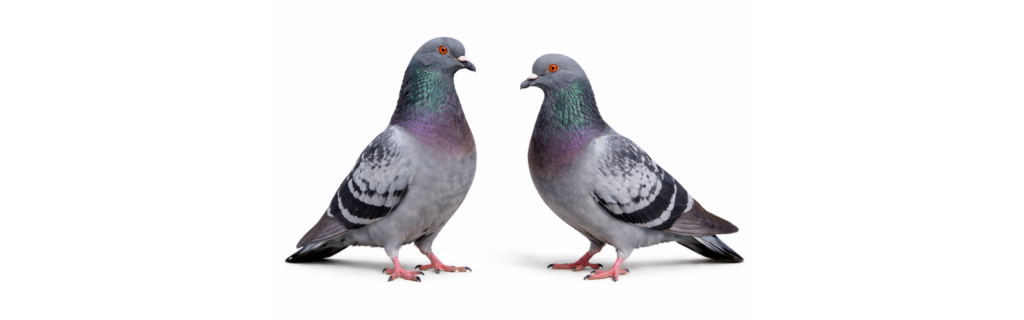
The control window that matters: this near-continuous breeding is exactly why pigeon problems entrench on barns, yards and industrial buildings. There is rarely a clean off season, so the priority is denying roosting and nesting access before a colony establishes. Proofing and any control must also be planned around active nests, which brings in wildlife law. See pigeon control for farms and estates, warehouse pigeon control for commercial sites, and my guide to pest bird control UK law for the legal side.
Corvids: spring nesting and the lambing overlap
Crows, rooks, jackdaws and magpies are single-brood spring breeders, but they do not all start at once. Rooks are among the earliest, nest-building and laying from late February into March. Carrion crows, jackdaws and magpies follow through April and May. Incubation is around 17 to 20 days, clutches run from three to seven eggs, and each pair raises one brood.

The control window that matters: the run-up to and through spring, which coincides directly with lambing. Corvids are documented predators of weak or newborn lambs and of the eggs and chicks of ground-nesting birds, so on livestock and game ground the spring window is when pressure and risk are highest. All corvid control has to sit under the correct General Licence, for a lawful purpose, with the right steps taken first. See corvid control and the bird control law guide.
Foxes: winter mating, spring cubs, lambing risk
Foxes are seasonal breeders. Mating peaks in late January and early February, announced by the loud calling heard on winter nights, and after a gestation of about 52 days cubs are usually born from late February with a peak in mid-March. Litters are typically four to five. There is one litter a year, and cubs stay dependent on the den through spring.
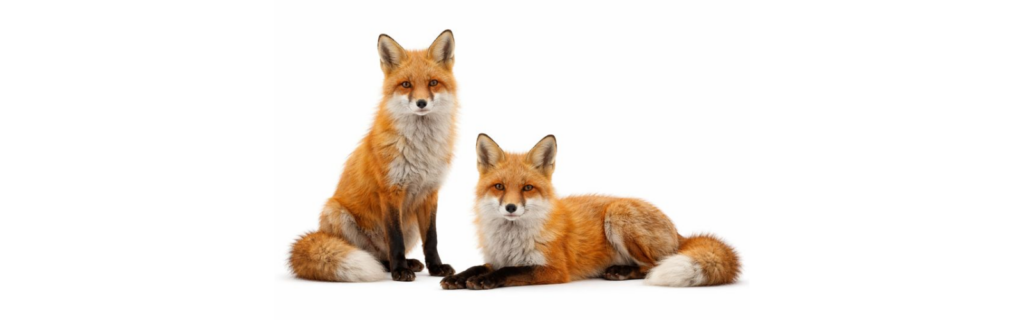
The control window that matters: late winter into spring, when adult activity around dens is high and the season overlaps with lambing and poultry vulnerability. This is the period when repeat losses cluster around housing and paddocks. See fox control for poultry and livestock protection.
The pattern behind the calendar
Two themes run through all of this. First, most rural pests concentrate their breeding into late winter and spring, so the quiet weeks beforehand are when control does the most good per hour spent. Second, the two exceptions, rats and pigeons, breed close to year-round, which is why they entrench if the site keeps offering food and shelter. In both cases the underlying driver is the same: reduce access, food and harbourage, and time control to the cycle rather than reacting once numbers have climbed.
Frequently asked questions
When is the best time of year to deal with rats on a rural site?
Autumn and early winter, as rats move indoors into buildings and feed stores for warmth and food. Getting on top of activity and proofing before a warm indoor population breeds through winter is far more effective than waiting until spring, because rats breed year-round and numbers compound quickly.
When do grey squirrels breed in the UK?
Grey squirrels have up to two litters a year. Mating peaks in January, with young born in spring (around February to April), and a second litter can follow in summer. Gestation is about 44 days and litters are usually three to four young. Loft intrusions tend to cluster around these births.
Why does timing matter so much for rabbit control?
Rabbits breed from around January to August, peaking April to June, with a gestation of about 30 days and the ability to conceive again straight after giving birth. Reducing pressure in late winter, before the season starts, means fewer breeding animals heading into the peak, which has a much greater effect than the same effort in mid-summer.
Do pigeons breed all year round?
Feral pigeons breed for most of the year where food and shelter are reliable, with a peak from March to July, and can raise several broods annually. This near-continuous breeding is why pigeon colonies entrench on buildings, and why denying roosting and nesting access early is the priority.
Why is spring the key period for corvid and fox control?
Both breed in late winter and spring, which overlaps with lambing. Corvids are documented predators of weak or newborn lambs and of eggs and chicks, and foxes are most active around dens in spring when cubs are dependent. This overlap is when livestock risk and repeat losses are highest on rural sites.
Is there a single best time of year for all pest control?
No. It depends on the species. Most rural pests concentrate breeding in late winter and spring, so the weeks beforehand are the highest-value control window for them. Rats and pigeons are the exceptions, breeding close to year-round, so for those the priority is ongoing proofing and removing food and shelter rather than a single seasonal push.
Can control work be done during a breeding season?
Yes, but it needs more care. Proofing has to be timed so that dependent young are not sealed inside a void, and any bird or wildlife control must follow the relevant licence conditions, including checks for active nests. This is one reason every job starts with a survey rather than going straight to control.
Plan Your Pest Control Around the Season
If you manage an estate, farm or rural property in Swindon or Wiltshire, timing control to the breeding calendar is one of the simplest ways to get better, longer-lasting results. A survey at the right point in the year identifies where pressure is building and what to tackle first, before a season gets away from you.
I offer free site surveys for qualifying rural jobs across Swindon and Wiltshire, with a clear scope and fixed quote before any work starts. Get in touch here or email hello@stealth-pestcontrol.co.uk with your postcode, the pests you are seeing and where activity is worst. You can also see the full range of pest control services I offer.
Sources and further reading
Breeding and life-cycle figures in this article are drawn from recognised UK wildlife and species-management sources:
- The Mammal Society: species hub (brown rat, grey squirrel, European rabbit, red fox biology)
- British Trust for Ornithology: BirdFacts (corvid and pigeon breeding data)
- Natural England (red fox in rural areas, Species Information Note)
- Game and Wildlife Conservation Trust (corvid predation and game and livestock impact)
- RSPB: birds and wildlife (pigeon and corvid nesting behaviour)
Breeding timings vary year to year with weather, food supply and local conditions, so treat these as typical patterns rather than fixed dates.