Pest Control Services in Swindon & Wiltshire
British Army veteran | RSPH Level 2 qualified | Shotgun certificate holder & BASC insured
Services for Working Land
I provide pest control services across Swindon and Wiltshire for the people managing estates, farms, yards and rural buildings. The aim is simple: reduce pest pressure where it costs you most, and keep it down with a plan that fits how your site actually runs.
Every job starts with a survey so the approach fits your site, your routines and your risk profile. You get a clear scope and fixed quote before work starts, practical control carried out safely and lawfully, then a simple report with photos and prevention priorities to stop repeat issues.
What I Control
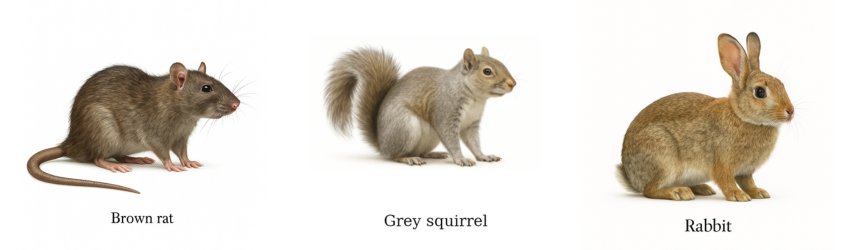
Rat Control in Swindon
Rats on rural sites are rarely a one-off. If feed is accessible, shelter is easy, and movement routes are protected, pressure builds quickly and keeps returning. Common hotspots include feed stores and spillage points, barn edges and roof voids, pallet stacks, drain lines and poultry areas where feed and bedding overlap.
You get a clear plan for the hotspots feeding the problem, targeted control to reduce activity around buildings and yards, and practical prevention priorities to lower contamination risk.
Learn more about Rat Control →
Grey Squirrel Control in Swindon
Grey squirrels cause structural damage to roofs, fascias and loft spaces, strip bark from timber crops and ornamental trees, and create noise and fouling in roof voids. On estates and rural properties they’re both an immediate nuisance and a long-term risk to forestry, gardens and building integrity.
Control combines targeted shooting where safe and appropriate, humane cage trapping around buildings and sensitive areas, and advice on exclusion and tree management to reduce repeat access.
Learn more about Grey Squirrel Control →
Rabbit Control
Rabbits damage crops, gardens and young trees, undermine ground with burrow systems, and create grazing pressure that affects pasture quality and fencing integrity. Left unchecked, rabbit populations lead to real economic loss and land degradation on estates, smallholdings and rural land.
Methods include shooting at dawn and dusk when rabbits are most active, humane trapping around sensitive areas, ferreting where appropriate, and guidance on fencing and habitat management.
Learn more about Rabbit Control →
Pigeon Control in Swindon
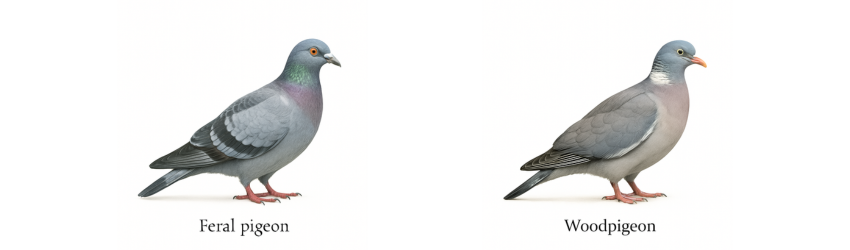
Pigeons and woodpigeons cause fouling in sheds and roof spaces, contaminate feed and grain stores, and create hygiene risks around yards and livestock areas. Persistent pressure leads to structural corrosion, blocked gutters and ongoing cleaning costs.
The strategy is targeted shooting to reduce roosting and nesting populations, proofing advice for barn openings and roof access points, nest removal guidance, and monitoring to prevent re-establishment.
Learn more about Pigeon Control →
Warehouse Pigeon Control in Swindon
Pigeons in warehouses, barns and large commercial buildings create serious health and safety risks. Fouling damages stock, creates slip hazards, and can lead to failed audits and compliance issues. High-level roosting makes DIY control ineffective and dangerous.
The approach covers safe working at height with proper equipment and risk assessments, targeted pressure reduction in roosting zones, integration with proofing works (netting, spikes, wire systems), and documentation suitable for audit and compliance records.
Learn more about Warehouse Pigeon Control →
Corvid Control
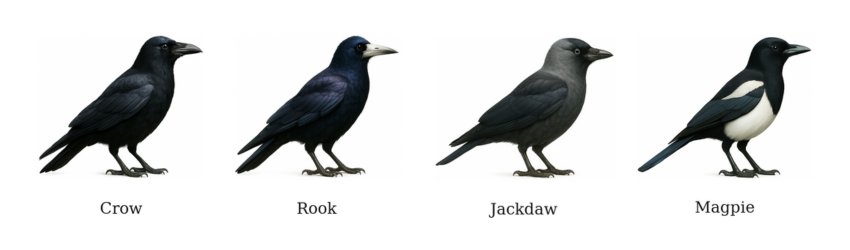
Corvids (crows, magpies, jackdaws and rooks) cause predation pressure on ground-nesting birds and young livestock, damage to crops and feed, and noise and mess around yards. On estates and shooting grounds, corvid pressure can significantly impact conservation and game management objectives.
Legal control includes targeted shooting under General Licence where justified, humane Larsen trapping for territorial birds, nest removal during legal periods, and habitat management to reduce attractants.
Learn more about Corvid Control →
Fox Control
Foxes cause losses to poultry and free-range livestock, predate ground-nesting birds and young game, and create disturbance around residential properties near rural land. For smallholdings and gamekeeping operations, effective fox control is often essential for protecting livestock and conservation work.
Methods include humane shooting at dawn and dusk when foxes are active, cage trapping where shooting is not appropriate, and guidance on housing security and deterrents.
Learn more about Fox Control →
How It Works
1. Site Survey
Every job starts with a survey to understand what is actually driving the problem. I look at the pest species, hotspots, access points, harbourage, food sources, livestock considerations, public access, and site routines. This is not a quick walk-round; it is a proper assessment that identifies the real drivers so the control plan fits your site.
2. Clear Scope & Fixed Quote
You receive a written plan covering what will be done, where, when and how. The quote is fixed and includes the survey, control work, reporting and any required documentation. No hidden extras, no vague estimates, no call-out charges every time activity is spotted.
3. Practical Control
Work is carried out safely, lawfully and discreetly around your site routines. Where it is safe and appropriate, I use air rifles and shotguns for targeted pressure reduction. Where bait or traps are the right tool, I will use them and explain why. The aim is always the same: reduce activity in the areas that cost you most.
4. Report & Prevention Plan
After every visit you receive a simple job record with photos showing what was found, what was done, and what to fix next to reduce repeat pressure. Prevention priorities are practical and specific to your site, not generic advice copied from a template.
A Low-Poison Approach as Standard
Across every service above, my default is targeted control using air rifles, shotguns and humane traps rather than blanket bait points. It is faster in the areas that matter, safer for owls, raptors, pets and livestock, and a better fit for stewardship and farm assurance requirements. Where bait or rodenticide genuinely is the right tool, I will say so and use it lawfully. Read the full reasoning on the homepage.
Documentation & Compliance
After every visit you receive a clear job record with photos. Where required, I work with written permissions and provide appropriate paperwork, including RAMS. If you need contractor-friendly notes for estate, farm assurance or business records, I keep them concise and practical. Documentation is provided as standard, not as an upsell.
Areas Covered
Pest control services are available across Swindon and Wiltshire, covering Royal Wootton Bassett, Marlborough, Chippenham, Calne, Devizes, Melksham and Corsham, with extended coverage into Gloucestershire, Somerset and Oxfordshire by arrangement.
Book a Site Survey
Not sure which service you need? Start with a survey and I’ll identify what’s driving the problem. Contact me here or email hello@stealth-pestcontrol.co.uk with your postcode, the pest, and where activity is worst.
Frequently Asked Questions
Which service do I need if I’m not sure what pest I have?
Start with a survey. Droppings, damage patterns, entry points and activity timing usually identify the species quickly, and the survey confirms what is actually driving the problem. Send photos with your enquiry and I can often narrow it down before visiting.
Can you deal with more than one pest at the same time?
Yes. Combined pressure is common on rural sites, especially birds and rodents around feed areas. The survey prioritises the highest-risk pressure points and gives you one clear plan covering everything, rather than separate jobs for each species.
Do you offer one-off visits or ongoing plans?
Both. Some problems resolve with a single targeted job. Sites with seasonal pressure or repeat re-entry usually do better with a structured ongoing plan: scheduled visits, trend spotting, proofing priorities and fast response when activity spikes. I’ll recommend which fits after the survey.
Do you handle proofing and prevention as well as control?
Yes. Every job ends with prevention priorities specific to your site: entry points to proof, hygiene and storage changes, and access routes to tighten. Control without prevention is how sites end up paying for the same problem twice.
Do you cover commercial sites as well as farms and estates?
Yes. Alongside estates, farms and smallholdings, I work with rural businesses, equestrian yards, storage facilities and industrial sites. For warehouses and large units with bird problems, see the dedicated warehouse pigeon control service above.