Shooting versus poison: what’s best for pest control?
⚠️ Guidance only: this checklist is general farm pest-control information—always follow UK law and site safety rules, and keep any control measures well away from children, pets and livestock.
Shooting versus poison is a real decision farms and rural properties face when rodent (and sometimes pest bird) pressure ramps up around feed stores, barns, yards and buildings. The right choice depends on site risk (livestock, pets, wildlife, neighbours), where activity is happening (visible hotspots vs hidden voids), and what you can run responsibly without creating new problems.
This guide breaks down the trade-offs in plain English: where targeted shooting can be a clean, selective tool, where rodenticides can be justified, and why most “never-ending pest problems” come from the same root cause — the site keeps feeding and sheltering them.
Guidance only: this is general information, not legal advice. Always follow UK law and site safety rules. For rodenticides, follow product labels and official guidance on safe storage, placement and disposal. If you’re not trained or authorised, don’t improvise.
Why pest control is necessary on farms and rural sites
Pests aren’t just nuisance. On working sites they can create:
- Contamination risk around stored feed, bedding and handling areas
- Disease risk to people and livestock
- Damage to wiring, insulation, cladding and doors
- Direct losses from feed spoilage and consumption
- Repeat pressure that becomes a constant time and money drain
The goal isn’t “zero pests forever”. The goal is controlled pressure without introducing fresh risk to the site.
Targeted shooting: the main benefits (and the non-negotiable limits)
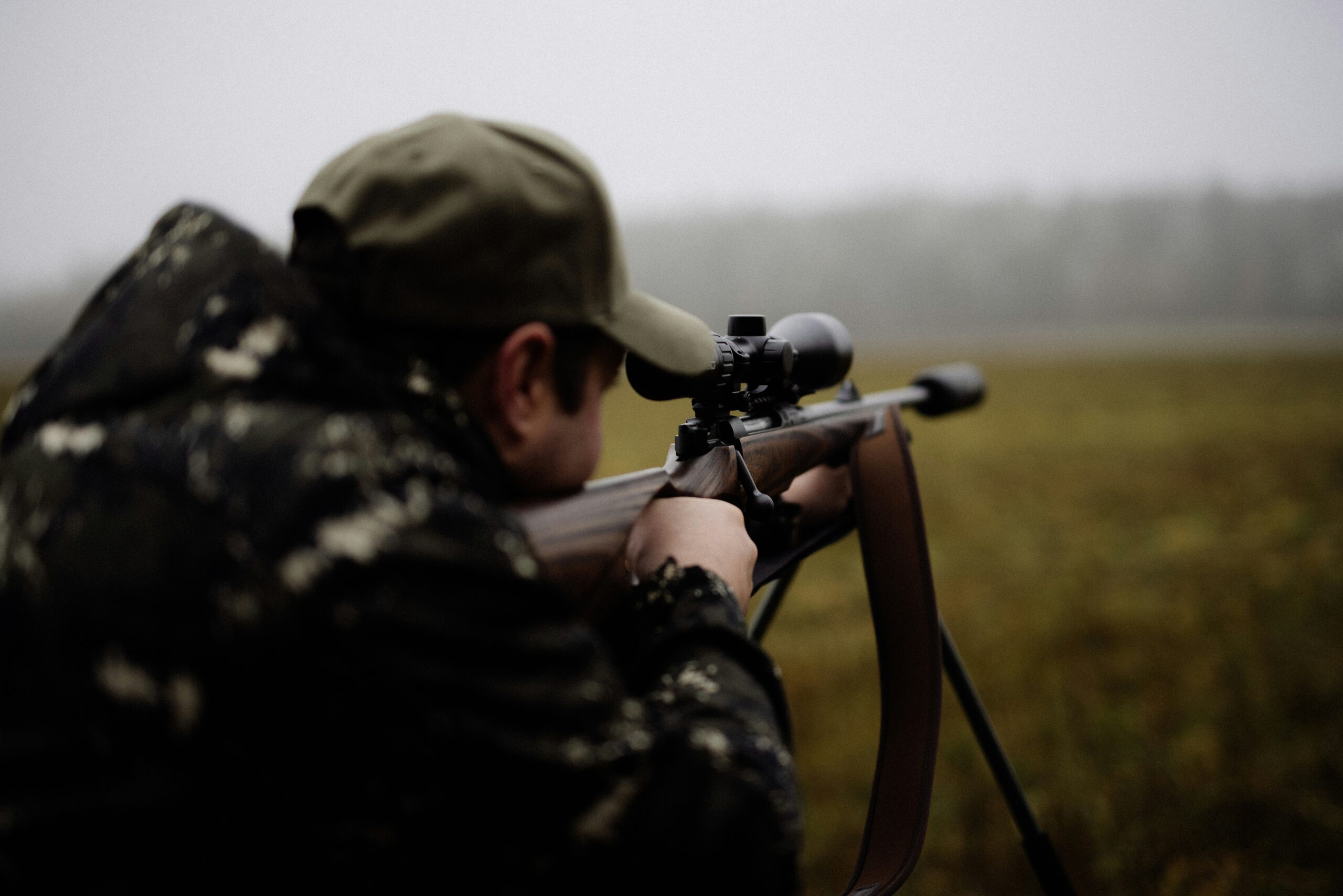
Where it’s lawful and safe on that specific site, targeted shooting can be a selective tool — one of the reasons some landowners prefer it over poison.
Where shooting can make sense
- Selective removal: you’re dealing with identified pests at an identified hotspot, rather than placing a product that can affect non-target animals if mishandled.
- No bait products on-site: avoids the whole category of risks associated with storing/placing toxic products around working environments.
- Immediate pressure reduction in visible areas: especially where activity is repeatable and you can clearly see what’s happening.
Important: lawful permission and competence matter. You need landowner permission, and you must only act where you can guarantee safety and compliance with local constraints.
Where shooting is not appropriate
This matters more than the “benefits” list:
- Safety constraints: if you can’t guarantee a safe environment (people, livestock, neighbours, public access, reliable backstops), it’s a non-starter.
- Hidden infestations: shooting doesn’t solve activity deep in voids, under slabs, inside walls, or in undisturbed harbourage.
- Sustainability: if the site keeps feeding/sheltering pests, shooting becomes reactive maintenance forever.
Straight truth: targeted shooting can be clean and selective — but it’s not a universal solution, and it’s never worth compromising safety or welfare.
Poison (rodenticides): effective, but higher downside if mishandled
Rodenticides can work — sometimes they’re the only realistic option for hidden, entrenched activity — but they come with higher responsibility and higher downside if used casually.
Rodenticides are regulated products. Safe use is about strict handling, correct placement, correct quantities, proper monitoring, and safe storage and disposal. On farms, the biggest problems usually come from sloppy routine use rather than a controlled, time-limited plan.
Where poison is more likely to be justified
- Activity is mostly hidden (voids, under slabs, enclosed spaces) and other approaches aren’t reaching it
- Pressure is entrenched and you need a structured programme
- Placement and handling can be controlled properly (not improvised)
The risks you can’t ignore
- Non-target exposure: poor storage/placement can put pets, wildlife, and livestock environments at risk.
- Secondary poisoning: predators/scavengers can be affected if they consume poisoned rodents — a key reason rodenticide stewardship exists.
- Bad outcomes from bad discipline: when baiting becomes habit, the site drivers stay unchanged and pressure returns.
- Carcasses in voids: smell, flies, and contamination headaches.
Bottom line: poison isn’t “evil”. It’s just the method that punishes sloppy use the hardest.
Shooting versus poison: a practical decision guide
Shooting is more likely to fit when
- Activity is visible and repeatable at specific hotspots
- You want to avoid introducing toxic products around feed/stock environments
- The site is lawful and safe for it (permission, safety constraints, competent operator)
Poison is more likely to be considered when
- Activity is mostly hidden, persistent, and not shifting with prevention/monitoring
- You can handle placement and storage properly and follow product labels and official guidance
- It’s part of a structured plan, not “bait forever”
What usually works best in the real world
Most sites do best with a hybrid approach:
- prevention to reduce return pressure
- monitoring to confirm hotspots
- targeted control (shooting/trapping/rodenticides) chosen to match the site constraints
Why both methods “fail”: the drivers don’t change
If you want fewer repeats, fix the reasons pests thrive on site:
- Access: door gaps, cladding joins, vents, service entries
- Food: spill, open waste, easy feed sources
- Harbourage: pallets, scrap, long-grass edges, undisturbed corners
- Routine: pests love predictability — change what stays undisturbed and pressure drops
If the site keeps feeding and sheltering them, you can “control” forever and still lose.
FAQs: Shooting versus poison
Is it better to shoot rats or use poison?
If activity is visible at known hotspots and the site is safe and lawful, targeted shooting can be a selective, “clean” option. Poison is more often considered when activity is hidden/persistent and needs a structured programme, but it carries higher non-target and secondary poisoning risk if mishandled.
Can I legally shoot rats in my garden in the UK?
It can be lawful with landowner permission and a safe, legal setup, but local constraints and safety are decisive. If you can’t guarantee safety, don’t do it — and if you’re unsure about what applies to your specific location, check official guidance or use a competent professional.
Is physical pest control more effective than chemical?
Often it’s more sustainable long-term because it tackles the drivers (access, food and harbourage). Chemical control can look effective short-term but fails if the site keeps feeding and sheltering pests.
What are the main rodenticide risks I should know about?
Non-target exposure, secondary poisoning to wildlife, and poor storage/placement leading to avoidable harm or repeat problems. Rodenticides need disciplined, time-limited use with correct handling and monitoring.
What is secondary poisoning?
Secondary poisoning is when a predator or scavenger is harmed after eating a rodent that has consumed rodenticide. It’s one of the key reasons rodenticide stewardship and strict best practice exist.
How long does rat poison take to work?
Rodenticides are typically not instant. Many are designed to be delayed-acting, and results depend on correct placement, uptake, monitoring and site conditions. Always follow the product label.
Will shooting solve a big rat problem on its own?
Not usually. Shooting can reduce pressure at visible hotspots, but entrenched infestations are driven by access, food and harbourage. If those aren’t addressed, the site refills.
When is poison more justified than shooting?
When activity is largely hidden (voids/under slabs) and persistent, and when rodenticides can be deployed under tight controls with proper handling and monitoring.
Are rodenticides safe around livestock, pets or poultry?
They can pose risks if stored or placed badly. If animals are on site, treat rodenticides as a high-responsibility option: correct storage, secured placement, and strict adherence to the label are non-negotiable.
How do I stop rats coming back after shooting or baiting?
Remove the drivers: close access points, reduce spill/food sources, remove harbourage, and keep simple monitoring. Without those changes, control becomes an endless cycle.
Is it better to use rat traps or poison?
If you can access the activity areas and maintain checks, traps are often the better first choice because they avoid chemical risk and give clearer feedback. Poison is usually reserved for hidden/persistent activity where it can be managed under tight controls.
Is it better to kill mice or release them?
Release often doesn’t solve the problem (others move in), and there can be welfare and legal issues depending on species and where you release them. Prevention first is best; if control is needed, choose a humane, lawful method you can manage properly.
Additional resources
If you want to read the official and industry guidance this article is based on, start here: