Rural Pest Control Services In Swindon & Wiltshire
Rural Pest Control Services In Swindon & Wiltshire
This page is a clear breakdown of the rural pests that we deal with, what each service focuses on, and links to the dedicated pages for each species. If you already know what you’re dealing with, jump straight to the pest section and click through for the full detail.
Ground Pests (Rats, Grey Squirrels & Rabbits)
Ground pest pressure is usually about repeat access and harbourage. On farms and estates it often shows up as contaminated feed, gnaw damage, burrows, tracks, and activity that disappears for a week then returns.
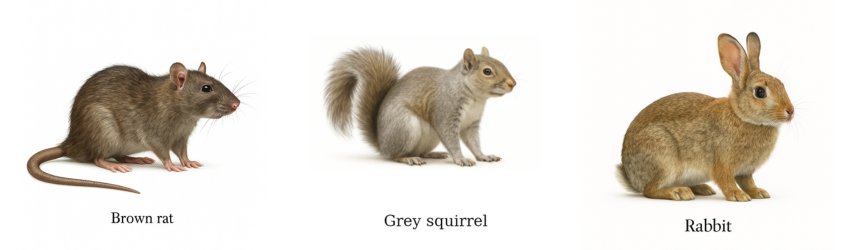
What the service focuses on: reducing activity where it causes the most risk and mess, then identifying the reasons the site keeps getting re-hit (food access, cover, entry points, and habits that keep pressure high). Get the full breakdown for each pest • Rats • Grey Squirrels • Rabbits •
Pigeon & Woodpigeon Control (Barns, Sheds, Yards)
Bird pressure is rarely just “a few pigeons”. On working sites the real issue is fouling, contamination risk, and repeat roosting around the same beams, ledges and access points.
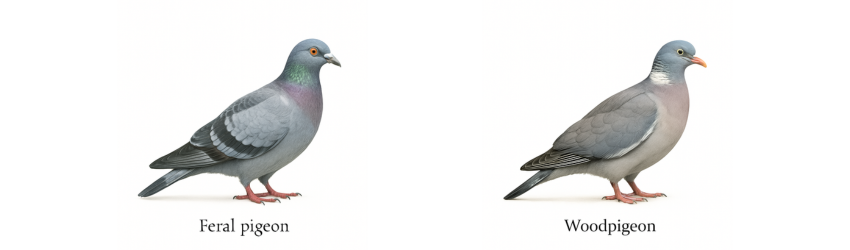
What this usually includes: focusing control on the highest-pressure areas, identifying why birds keep choosing the same spots (access, ledges, food sources, site routines), and recommending practical changes that reduce return pressure. Get a full breakdown of our pigeon control service. If you need pigeon control for a warehouse or industrial site, see Warehouse Pigeon Control service.
Corvid Management (Seasonal & Reactive)
Corvid pressure can change quickly and is often seasonal. On rural sites it can show up as repeat nuisance activity around yards, feed areas, vulnerable stock, or specific problem zones that get hit at the same time each year.
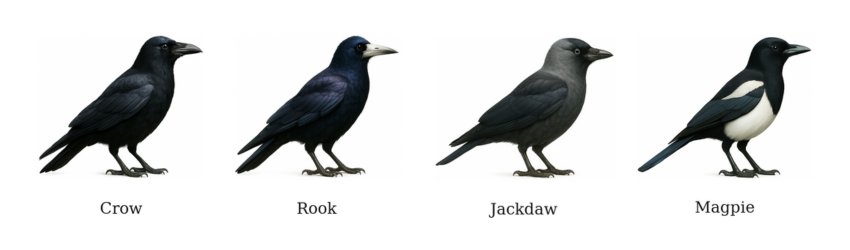
What the service focuses on: identifying where pressure is highest, what is realistic for the surrounding land and access, and planning work around the practical constraints of a working site. Get a full breakdown of our corvid control service.
Fox Control (Livestock Risk & Persistent Activity)
Where fox activity is creating ongoing livestock risk (commonly poultry, lambing fields and small livestock), the key is getting clear on routes, timing, hotspots, and what is practical for your land and neighbouring access.

The focus is: confirming where pressure is coming from, agreeing a plan that fits your routine and site layout, and reducing repeat risk with sensible prevention steps (secure housing, weak points, attractants). Work only proceeds where it is safe, lawful and appropriate for the site. Get a full breakdown of our fox control service.
Mole Control (Pasture & Amenity Ground)
Mole activity is a ground-conditions problem first and a disruption problem second. The key is confirming active runs (not just old hills) and agreeing an approach that gets the ground usable again with minimal downtime.

The focus is: confirming active areas, targeting work to minimise ground damage, and agreeing follow-up if activity is persistent or spreads across multiple fields.
Frequently Asked Questions
Rats in a feed store or barn – what are the signs and what should I do first?
Common signs include droppings near feed points, runs along walls, gnaw marks, burrows near buildings, and activity around spillage and harbourage. First steps are simple: tighten up feed storage, reduce spill, remove easy cover, and identify where they are travelling and entering.
Rat droppings or mouse droppings – how can I tell the difference?
Rats usually leave larger droppings and you’ll often see them grouped in sheltered areas near runs and feeding points. Mice droppings are typically smaller and more “peppery” in appearance. If you’re unsure, a clear photo next to a coin is usually enough for a confident ID.
Pigeons in a barn or shed – how do you reduce fouling and stop repeat roosting?
On farms the problem is rarely “a few birds” – it’s repeat roosting on the same beams and ledges, with fouling and contamination building up around working areas. The aim is to reduce pressure in the highest-impact zones and remove the reasons birds keep choosing the same spots.
Corvid control – crows, rooks, jackdaws and magpies on rural sites
Corvid pressure is often seasonal and very location-specific. The practical starting point is identifying where pressure is highest (yards, feed areas, vulnerable zones) and what is safe and workable for the land layout, neighbours and access.
Crows attacking lambs – can you help during lambing season?
This comes up a lot during lambing. The first step is confirming what’s actually happening on your ground (weak lambs, afterbirth/carrion draw, specific problem birds, and where they are approaching from). Once that’s clear, you can put a practical plan in place that fits your fields and access.
Grey squirrels in a roof space or outbuilding – is it a real risk?
Yes. Grey squirrels can cause serious damage once they get established: they tear insulation for nesting and can chew timber, pipes and electrical wiring. The key is confirming entry points, stopping repeat access, and dealing with activity quickly before damage escalates.
Rabbit control – burrows, grazing pressure and repeat ground damage
Rabbit problems are usually about burrows, runs and repeated grazing pressure at field edges and banks. The aim is to reduce activity in the areas causing the most loss and prevent the site resetting by keeping pressure down where rabbits are holding.
Mole hills in paddocks or pasture – how do you confirm active activity?
Old hills and old tunnels waste time. The focus is confirming active runs, identifying the true extent of the problem, and targeting work so disruption is kept to a minimum and the ground becomes usable again.
Fox control for farms – poultry risk and persistent activity
Fox issues are usually multi-factor: access to housing, attractants, repeat routes and timing. The sensible starting point is confirming hotspots and routes, then agreeing what’s realistic for your land and surrounding access.
Can you quote from photos for rat, pigeon or squirrel issues?
Often, yes. For many rural pest problems, clear photos or a short video can be enough to scope the job accurately, especially when the activity is concentrated around a building or a specific area.
What areas do you cover for rural pest control services?
Swindon and Wiltshire including Royal Wootton Bassett, Marlborough, Chippenham, Calne, Devizes, Melksham and Corsham. Extended coverage in Gloucestershire, Somerset and Oxfordshire is available by arrangement.