Common farm pests UK: quick ID guide, what to do first, and when to call a pest controller
⚠️ Guidance only: this article is general information, not legal advice. Always follow UK law and site safety rules. Keep children, pets and livestock away from any control products or contaminated areas. If you’re unsure what’s lawful or safe on your site, stop and get competent help.
Common farm pests UK problems usually start small: a bit of spill that never gets cleared, a door that doesn’t seal, a quiet void above a ceiling, or a stack of pallets that stays untouched for months. Then pressure builds until you’re dealing with contamination risk, damage, lost feed, or birds turning a building into a mess.
This guide is designed for the real “what am I looking at?” moment. It helps you identify the likely pest, understand the risk, take sensible first steps, and know when it’s time to stop DIY and bring in a professional.
The 10-minute triage that solves half of farm pest problems
Before you buy anything or start moving fast, do this quick triage. It prevents wasted effort and helps you focus on drivers, not symptoms.
- Confirm the hotspot: where are the signs strongest (feed store, yard edge, barn voids, roofline, grain handling area)?
- Remove easy food: clear spill, seal open feed, tidy sweepings out of corners, and stop “free feeding” wildlife.
- Reduce access: check door thresholds, cladding joins, air bricks, service penetrations, broken mesh and drain routes.
- Reduce harbourage: move long-term pallet stacks, clear scrap/timber piles, cut back vegetation tight to walls.
- Make it measurable: fix the obvious drivers first and monitor the same areas, rather than changing everything at once.
Quick ID: what you’re likely dealing with
Use these “giveaway” signs to narrow it down fast.
Rats
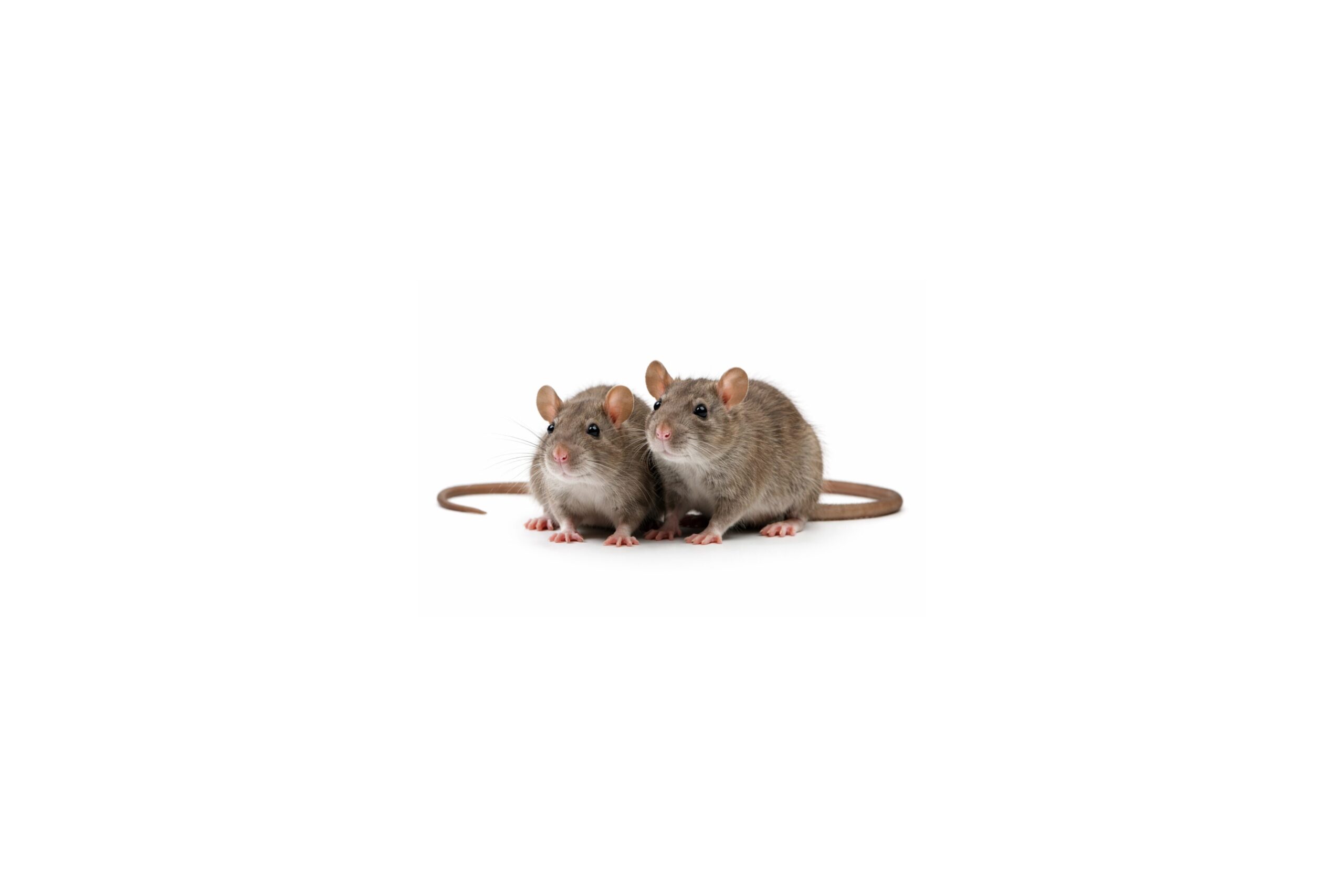
- Giveaway signs: fresh droppings near feed, rub marks along edges, gnawing on bags/lids, burrows at base of walls, runs along fences and walls.
- Why it matters: contamination risk around feed and handling areas, damage to wiring/insulation, rapid repeat pressure if drivers stay.
- First steps: stop spill, lift storage off floors, keep a gap from walls, seal obvious access points, tidy harbourage outside.
Mice
- Giveaway signs: small droppings in cupboards/edges, light gnawing, scratching in voids, activity concentrated in warm internal spaces.
- Why it matters: contamination and nuisance, and they exploit tiny gaps around services and doors.
- First steps: proof the “small gaps”, tighten housekeeping, reduce clutter, monitor hotspots consistently.
Pigeons (barns, sheds, warehouses)
- Giveaway signs: roosting on beams/ledges, heavy fouling below perches, feathers, nests in sheltered voids.
- Why it matters: slip hazards, contamination, corrosion on surfaces, blocked gutters, persistent mess that attracts other pests.
- First steps: remove attractants, restrict access to roost points, improve hygiene, and stop “easy landing zones” at the roofline and openings.
Crows, rooks and magpies (corvids)
- Giveaway signs: persistent feeding on yards and fields, pulling at silage edges, mess around feed areas, loud regular presence.
- Why it matters: damage risk and persistent pressure where food is easy, plus complications around protected wild bird law.
- First steps: reduce attractants (especially spilled feed), secure waste, and take non-lethal prevention seriously before escalating.
Rabbits
- Giveaway signs: clipped crops/grass, grazing “lawns” along field edges, droppings and burrows on banks and margins.
- Why it matters: crop and grass loss, repeat pressure from boundary harbourage.
- First steps: boundary checks, reduce access points, manage margins and harbourage, and control pressure in a structured way (not one-off).
Moles
- Giveaway signs: fresh molehills and runs, often following field edges and softer ground.
- Why it matters: pasture damage, machinery risk, and ongoing disruption if left unmanaged.
- First steps: map active runs, don’t waste time on old hills, and treat it as a targeted job rather than random attempts.
Insect and crop pests (slugs, aphids, flea beetle and more)
Crop pests are real and costly, but they’re a different lane: identification and control often depends on crop type, growth stage, thresholds and weather. If you’re dealing with crop damage, it’s usually smarter to get agronomy-led advice rather than guessing with products.
- Giveaway signs: leaf holes, stripped seedlings, honeydew/sticky residue, distorted growth, slug trails and grazing at ground level.
- First steps: confirm the pest properly, assess the scale, and use an integrated approach rather than defaulting to chemicals.
When DIY turns into false economy
DIY can work when pressure is low and the fix is obvious. It becomes false economy when you’re repeating the same problem and bleeding time, feed and energy.
It’s usually time to call a pest controller when:
- you’re seeing daytime rat activity or signs across multiple buildings/zones
- there’s contamination risk around feed handling or storage you can’t confidently control
- you’ve “tidied and tried a bit” but pressure keeps returning
- access points are unclear, or activity is hidden in voids
- the site needs a structured plan (survey, proofing priorities, monitoring, follow-up)
- there’s any licensing/legal uncertainty (especially around wild birds)
What a professional approach looks like (and why it works)
Good pest control on farms isn’t “turn up once and kill a few”. It’s a structured approach that reduces repeat pressure:
- Survey: confirm species, hotspots, routes, and drivers (food, access, harbourage).
- Priority fixes: the few changes that cut repeats the most (usually doors, spill, void access, storage layout).
- Targeted control: method matched to the site risk (livestock, pets, wildlife, neighbours, food areas).
- Monitoring and follow-up: confirm reduction, prevent “silent rebuild”, and adjust if pressure changes.
FAQs About Common Farm Pests
What are the most common farm pests in the UK?
Rodents (rats and mice) are the big one around feed and buildings. Pigeons and corvids can create major mess and damage around roofs and yards. Rabbits and moles are common on land and margins, and crop pests (like slugs and aphids) are a separate but serious category.
How do I know if I have rats on a farm?
Look for fresh droppings near feed, rub marks along edges, gnawing on bags and lids, burrows near building bases, and clear runs along walls and fences. Daytime sightings often suggest higher pressure.
What’s the fastest thing I can do today to reduce pest pressure?
Clear spill, seal open feed, tidy harbourage, and check door thresholds and obvious gaps. Most repeat problems are driven by easy food and easy access.
Do ultrasonic pest repellents work on farms?
Sometimes they change behaviour briefly, but they rarely solve an established problem. If food and shelter remain, pests usually adapt, avoid the device, or shift to another part of the building.
What keeps pigeons away from barns and sheds?
Access control is the key: stop easy roosting and nesting by restricting entry points and removing easy ledges/voids. Hygiene matters too—if you leave consistent food and safe roosting, they return.
Is pest bird control legal in the UK?
Wild birds are protected by default. Any control has to be for a lawful purpose, using lawful methods, and under the terms of the relevant licence that applies to your country and situation.
Should I use poison for rats on farms?
Rodenticides can work, but they carry risk if mishandled and should be used as part of an integrated plan. Start with hygiene, proofing and monitoring; if you use products, follow labels and official guidance and keep them secured and away from livestock and pets.
When should I call a pest controller instead of dealing with it myself?
If pressure is high (daytime rats, signs across multiple buildings, repeated burrows), if there’s contamination risk around feed, if activity is hidden in voids, or if the problem keeps returning, a structured professional approach usually saves time and money.
What is integrated pest management (IPM) in simple terms?
It means you don’t rely on one method. You reduce drivers (food/access/harbourage), monitor hotspots, and only use targeted control where it makes sense. The goal is fewer repeats, not constant firefighting.
Additional resources
Official and reputable starting points for further reading: