Corvid Control in Swindon for Crows, Rooks, Jackdaws & Magpies
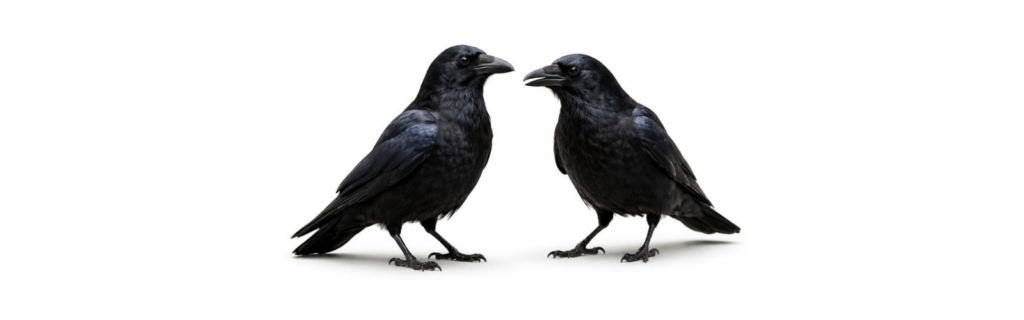
Corvid pressure stops being “a few birds” when it becomes repeat, routine-driven nuisance. Birds hit the same yards, feed areas and buildings at the same times, learn your patterns, and return daily.
I provide corvid control in Swindon for crows, rooks, jackdaws and magpies on farms, estates, smallholdings and rural sites. The aim is to reduce pressure where it is causing the issue and stop the site becoming an easy repeat target.
Signs Corvid Pressure Is Building
Most sites call when one or more of these are happening:
- Increasing numbers week to week
- Birds landing and feeding confidently around the same areas
- Repeat nuisance at the same times each day
- Persistent activity around yards, stores, silage and handling areas
- Deterrents stop working because the birds adapt quickly
The Outcome You Want
This is about reducing pressure where it affects the running of the site.
You want:
- Fewer birds using the site as a regular feeding and staging point
- Less repeat nuisance in priority areas such as yards and feed zones
- A plan that matches season, site layout and real constraints
- Clear expectations of what is realistic and how reduction is maintained
Why Corvid Problems Keep Returning
Corvid pressure usually holds for three reasons:
- Reliable food access, such as spill, waste and disturbed ground
- Low consequence access, where birds can approach, feed and leave without pressure
- Repeat routines, where birds learn safe routes, timings and landing points
If the site stays easy, corvids keep returning and adapt fast to simple deterrents.
Common Corvid Hotspots
These are the areas most likely to be involved:
- Feed stores, spill points and open access areas
- Yards, handling areas and routine landing zones
- Silage and clamp edges, disturbed ground and waste areas
- Field edges and approach routes along hedgerows
- Roof points and buildings used for observation and staging
When You Should Stop DIY
If any of these are true, pressure is usually established:
- Birds are hitting the same areas at the same times
- Numbers are increasing and confidence is rising
- Deterrents worked briefly, then stopped
- You have constraints such as neighbours, rights of way, livestock or staff routes
- You need a documented approach and clear expectations
Corvid control is also where the law matters most: crows, rooks, jackdaws and magpies can only be controlled lawfully under the correct General Licence, for the right purpose, with the right steps taken first. My guide to pest bird control UK law explains it in plain English.
Frequently Asked Questions
Which birds count as corvids?
Corvids include crows, rooks, jackdaws and magpies. They behave differently by species and season, which is why control needs to match what is actually happening on your site.
Why do corvid problems often feel seasonal?
Pressure can spike around breeding periods, changes in food availability, and seasonal farm routines. A plan that works in one month may need adjusting later, and expectations should be set based on timing and site conditions.
Why do deterrents fail long term?
Because corvids adapt quickly when the site still offers easy food and low risk access. Deterrents can help short term, but lasting reduction usually needs targeted pressure in the right areas plus practical changes that remove repeat opportunities.
Can you work around livestock and normal rural operations?
Yes. Work is planned around livestock routines, staff routes and machinery movement where possible. If conditions cannot be controlled safely on the day, work is rescheduled rather than forced.
Is corvid control usually a one-off visit?
Sometimes, but many sites reduce best with a structured approach across a season, especially where birds have established routines. Expectations are set based on your layout and pressure level.
What should I send to get an accurate quote?
Your postcode, site type, which birds you are seeing if known, where pressure is worst, what the pattern looks like, and any constraints such as neighbours or rights of way. Photos help, especially wide shots and main landing or feeding zones.
Book a Corvid Control Survey in Swindon
If crows, rooks, jackdaws or magpies are hitting your yards, feed or livestock areas, start with a survey. I’ll identify the routines and drivers, give you a clear scope and fixed quote, then carry out lawful control under General Licence with a full report at the end.
Email: hello@stealth-pestcontrol.co.uk with your postcode, which birds you’re seeing, where pressure is worst, and a few photos if you can.
You can also get a quote here, see all pest control services, or read about my qualifications and approach.