
Pigeon Control in Swindon for Feral Pigeons & Woodpigeons
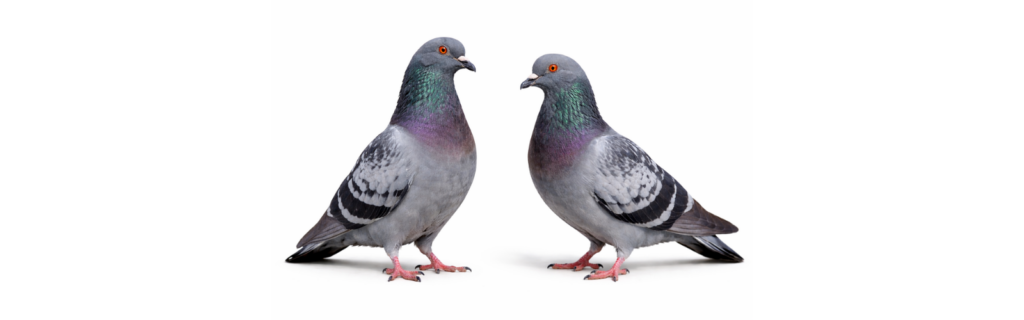
Pigeon control becomes urgent when fouling and mess turn into real site problems. Contamination risk in feed areas, slippery yard surfaces, blocked gutters, ruined stored materials, and birds returning to the same rafters and ledges every day.
I provide pigeon control in Swindon for feral pigeons and woodpigeons on farms, estates and rural buildings. The aim is to reduce pressure and stop repeat roosting by targeting the main roost points and tightening the access conditions that keep birds coming back.
If you need pigeon control for a warehouse or industrial site, use this page instead: Warehouse Pigeon Control in Swindon.
Common Pigeon Problems on Rural Sites
Most people notice one or more of these:
- Fouling building up quickly in the same areas
- Birds roosting daily in rafters, beams, ledges or roof spaces
- Nests returning even after clean-up
- Feed or stored materials contaminated
- Gutters and roof edges repeatedly blocked
- Strong smell in enclosed or sheltered areas
The Outcome You Want
This is not about a quick scare-off.
You want:
- Less fouling and less contamination risk where it matters
- Reduced roosting pressure in buildings and sheltered yard areas
- Fewer repeat problems because access routes get addressed
- A practical plan that fits the site layout and day to day use
Why Pigeons Keep Coming Back
Repeat issues usually come down to three drivers.
- Reliable roosting in warm rafters, beams, ledges and quiet upper levels
- Easy access through open doors, broken sheets, gaps at eaves and roof openings
- Low consequence because birds can roost undisturbed and build habit
If roost points and access stay easy, birds return quickly, often within days.
Common Hotspots I Check
These are the areas most likely to be involved:
- Barn rafters, beams, ledges and roof voids
- Covered yards and sheltered handling areas
- Feed stores and contamination prone zones
- Gutters and roof edges where fouling builds up
- Doors and openings used as regular flight paths
When You Should Stop DIY
If any of these are true, the roost habit is usually established:
- Fouling is building fast in the same locations
- Nesting keeps returning in rafters or roof spaces
- Feed or stored materials are being contaminated
- Gutters and roof lines are repeatedly blocked or damaged
- You tried deterrents before and birds returned within days
One more reason to get this right: wild birds are protected by default, and lawful control has to sit under the correct General Licence. My guide to pest bird control UK law explains what that means in plain English.
Frequently Asked Questions
How do I know if I have pigeons roosting in my barn or sheds?
Typical signs are fresh fouling under rafters and beams, feathers, nests on ledges, and birds returning to the same high points daily. If you’re getting a strong smell or constant mess in one area, you’re usually looking at an established roost habit.
Are pigeons and woodpigeons a contamination risk in feed areas?
Yes. Fouling and feathers in and around feed stores, handling areas and sheltered yards can become a hygiene and practical management issue. Reducing pressure is usually a mix of targeting roost points and tightening access routes that allow repeat roosting.
Why do pigeons keep coming back after I clean up?
Because the access route and roost point remain easy and the birds have an established habit. Cleaning helps, but unless the access and roost pattern is interrupted, they tend to return quickly, sometimes within days.
Can you work around livestock and normal farm operations?
Yes. I plan around livestock routines, staff routes and machinery movement where possible. If conditions aren’t safe (visibility, people in the wrong place, no safe working zone) I reschedule rather than force a job.
Do you provide documentation and a photo report?
Yes. You’ll receive a short written report with photos, what was found, what was done, and practical prevention priorities. If you need RAMS or site paperwork for compliance, tell me up front and it’s built into the plan.
Is pigeon control usually a one-off visit?
Sometimes, but not always. Many sites reduce best with a structured approach, especially where access points stay open as part of day-to-day work. I’ll set expectations after the survey based on your layout and pressure level.
What’s the difference between feral pigeons and woodpigeons for control?
Feral pigeons often establish repeat roosts inside buildings; woodpigeons can also use sheltered structures but patterns can differ by season and local conditions. The survey identifies which birds are driving the mess and where the pressure is coming from.
What should I send you to get an accurate quote?
Your postcode, site type, and where fouling or roosting is worst. Photos help a lot: wide shots of the building and close-ups of rafters, ledges, openings, and the worst contamination areas.
Do you cover farms and estates outside Swindon?
Yes. I cover Swindon and Wiltshire as standard, and extended coverage in Gloucestershire, Somerset and Oxfordshire is available by arrangement. Email your postcode and I’ll confirm availability.
Do you also handle rats and other farm pests?
Yes. If you’ve got combined pressure (birds plus rodents around feed areas), mention it in your email. The survey can prioritise the highest-risk pressure points and give you a clear plan for both.
Book a Pigeon Control Survey in Swindon
If fouling, contamination or repeat roosting is costing you time and money, start with a survey. I’ll identify the roost points and access routes driving the problem, give you a clear scope and fixed quote, then carry out the work safely and lawfully with a full report at the end.
Email: hello@stealth-pestcontrol.co.uk with your postcode, where fouling is worst, and a few photos if you can.
You can also get a quote here, see all pest control services, or read about my qualifications and approach.