Warehouse Pigeon Control in Swindon & Wiltshire
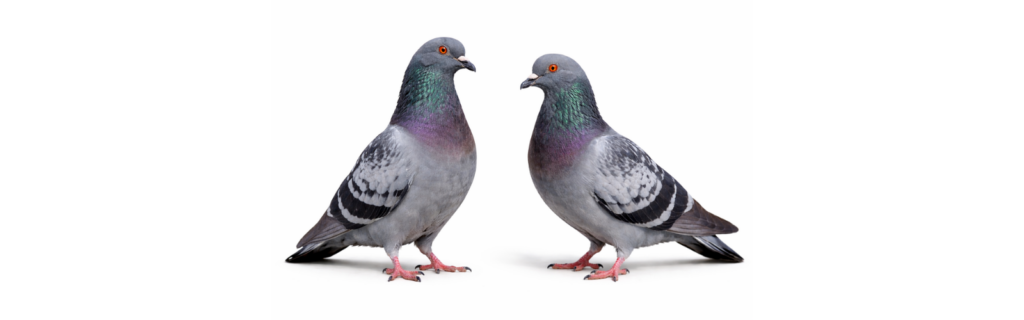
Pigeons on industrial sites are more than a nuisance. Once they establish a roost, the fallout is predictable: fouling in loading bays and walkways, contamination risk, blocked drainage, corrosion on steelwork, extra cleaning, and complaints.
I provide warehouse pigeon control in Swindon for warehouses, industrial estates, commercial yards and large units. The aim is measurable reduction in priority areas with a controlled, compliant approach that fits how your site operates.
Common Warehouse Pigeon Problems
Most sites call when one or more of these are happening:
- Fouling building up fast in loading bays, canopies, entrances and walkways
- Birds roosting daily on beams, pipes, gantries, rooflight frames or high ledges
- Nests returning on the same structures
- Blocked gutters, roof edges or drainage points
- Slip risk and hygiene issues in staff areas and traffic routes
- Increasing numbers because the roost becomes habitual
The Outcome You Are Paying For
You are not paying for a visit. You are paying for:
- Fewer pigeons using the site as a regular roost
- Reduced fouling in priority zones such as loading bays, entrances and walkways
- A cleaner, safer environment for staff, visitors and contractors
- Clear documentation that shows action and improvement over time
Why Warehouses Attract Pigeons
Industrial sites often provide the perfect mix of shelter, height and routine. Pressure usually centres around:
- Loading bays, dock shelters and canopies with protected ledges and beams
- Rafters, roof voids, gantries and rooflight frames that create stable roosts
- Plant areas and sheltered corners that offer warmth and cover
- Waste areas, spillages and open containers that create feeding opportunities
Once roosting becomes established, pressure usually increases unless the key roost points and drivers are addressed.
Air Rifle Pigeon Control on Industrial Sites
Air rifles can be used on some warehouse and industrial sites, but only when the environment can be controlled properly. This is not a turn up and shoot service.
Suitability comes down to whether safe working controls can be created around people, vehicles, neighbouring units and public access, with reliable backstops and safe angles. If it is not viable, I will tell you straight and the plan will focus on other practical options that reduce repeat pressure. All bird control is carried out under the relevant General Licences; if your H&S team wants the legal background, my guide to pest bird control UK law covers it.
Documentation for Facilities Managers & H&S
If you run a site with audits, inductions or permit-to-work systems, the paperwork matters as much as the result. Where required, I provide RAMS or method statements before work starts, and every visit ends with a clear report: photos, findings, actions taken and practical recommendations.
If your site has specific internal formats or audit requirements, share them up front and they’re built into the plan from day one.
What I Need From You
To quote and plan without delays, send:
- Site postcode and site type (warehouse, industrial unit, yard)
- Where the problem is worst (loading bays, canopies, rafters, roof voids, plant areas)
- Operating hours and any quiet periods
- Access constraints (security, induction, permits, escorts, PPE rules)
- Any neighbour or public access considerations
- Photos or a short walkthrough video if possible
Frequently Asked Questions
Can you quote without visiting (remote quote from photos or video)?
Yes. In many cases I can quote remotely if you send clear photos or a short walkthrough video, plus your postcode, site type, where activity is worst, operating hours, and any access or safety constraints. If anything needs confirming on site for compliance or safety, that is checked before work starts.
Do you work out of hours (early mornings, evenings, weekends)?
Where it makes sense, yes. Out of hours slots can reduce disruption and make it easier to control the work zone on busy sites. The timing is agreed around safety, access, and when pigeon activity is most predictable.
Is air rifle pigeon control always appropriate for warehouses?
No. Air rifle work is site specific and depends on safe backstops, controlled lines of fire, and the ability to manage people, vehicles, neighbouring units and any public access. If it is not viable on your layout, I will recommend a safer alternative plan.
Will this disrupt staff or operations?
The aim is to reduce pressure without shutting the site down. Work is planned around operating hours, deliveries and traffic routes, and any temporary controls are agreed in advance. If the site cannot be controlled safely on the day, the job is rescheduled rather than forced.
Do you provide documentation for H&S and audits (RAMS, method statements, reports)?
Yes. Where required, documentation can include RAMS or method statements and a clear visit report with photos, findings, actions taken and practical recommendations. If you have specific internal formats or audit requirements, share them up front.
Book a Warehouse Pigeon Survey in Swindon
If fouling, slip risk or audit pressure is building on your site, start with a survey. I’ll assess the roost points, access and safe working options, give you a clear scope and fixed quote, then carry out compliant control with the documentation your site requires.
Email: hello@stealth-pestcontrol.co.uk with your postcode, where the problem is worst, operating hours, and photos or a walkthrough video if you can.
Rural buildings rather than industrial? See Pigeon Control in Swindon. You can also get a quote here or see all pest control services.